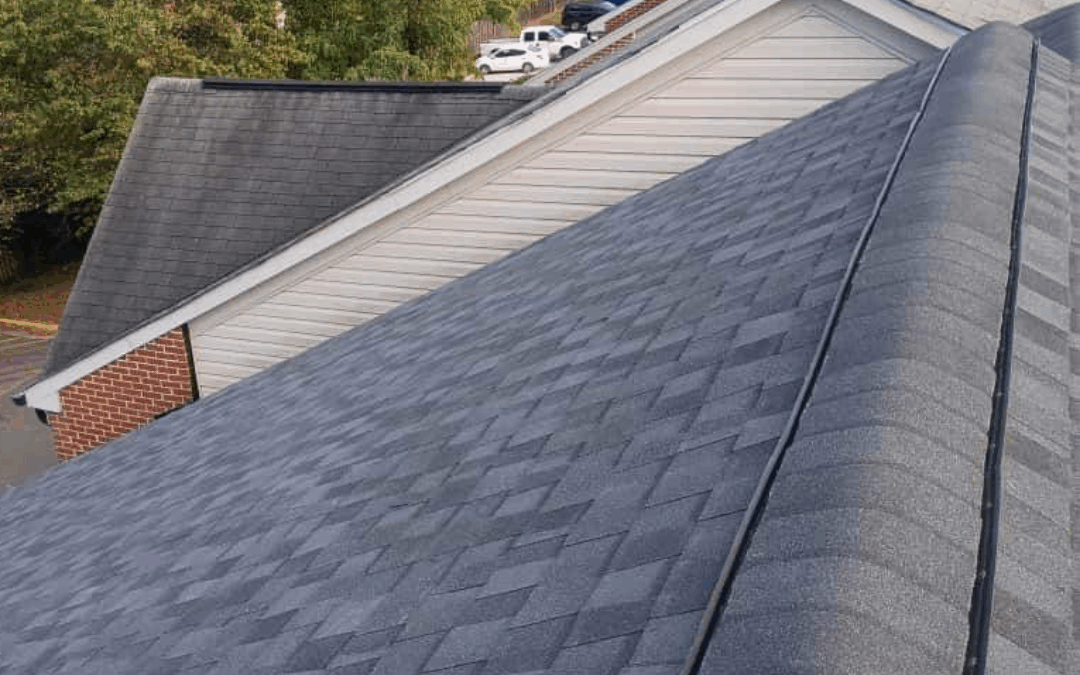
Moss on your roof might seem harmless at first, but it can quietly cause serious damage if it is left untreated. Many homeowners assume moss is just a cosmetic issue, but over time it can shorten the life of your roof and increase the risk of leaks. Understanding how moss affects roofing materials and how to remove it safely is key to protecting your home.
Recently, a homeowner in Centreville, VA reached out after noticing moss buildup on their roof and wanted to know if it could be removed without causing damage. That question comes up often, and it is an important one to address early.
How does moss grow on a roof?
Moss thrives in damp, shaded environments. Roof sections that receive less sunlight, especially north facing slopes or areas under tree cover, tend to stay moist longer. That moisture allows moss to take hold, particularly on asphalt shingles, wood shakes, and older roofing materials that retain water more easily.
Once moss establishes itself, it spreads slowly and holds moisture against the roof surface instead of allowing it to dry out.
Can moss actually damage your roof?
Yes. Moss acts like a sponge, trapping moisture against shingles and roofing materials. That constant dampness can cause shingles to deteriorate faster, lose protective granules, or lift at the edges. In colder weather, trapped moisture can freeze and expand, increasing the risk of cracking or separation.
Over time, moss can contribute to roof leaks, wood rot beneath the shingles, and a shortened roof lifespan.
Is roof moss just a cosmetic issue?
No. While moss may start as a visual concern, it usually indicates that the roof is staying wet longer than it should. Persistent moisture is one of the biggest enemies of roofing systems. Even if you are not seeing leaks yet, moss growth is often a sign that preventative maintenance is needed.
What is the safest way to remove moss from a roof?
Safe removal is critical. High pressure washing and harsh scraping can damage shingles and strip away protective granules. The safest approach usually involves gentle removal methods that do not compromise the roofing material, followed by treatments designed to discourage future growth.
The correct method depends on the roof type, the amount of moss present, and the condition of the shingles. That is why a professional assessment is important before any removal begins.
Can homeowners remove roof moss themselves?
Some Centreville, VA homeowners attempt DIY moss removal, but it comes with risks. Moss makes roofs slippery, increasing the chance of falls. Using the wrong tools or chemicals can also damage shingles or void warranties. Improper removal can spread moss spores, leading to faster regrowth.
In many cases, professional removal helps ensure the moss is handled safely and the roof remains intact.
Will moss come back after it is removed?
Moss can return if the conditions that caused it are still present. Keeping gutters clear, improving roof drainage, trimming overhanging branches, and using preventative treatments can help reduce the chance of regrowth. Regular inspections also make it easier to catch moss early, before it becomes a bigger issue.
When should roof moss be addressed?
The sooner, the better. Light moss growth is easier and safer to remove than heavy, established patches. Addressing moss early can help prevent long term roof damage and reduce the likelihood of costly repairs down the road.
Noticing moss on your roof in Centreville, VA?
If you are noticing moss on your roof and are unsure how serious it is, we recommend scheduling a professional inspection. We can evaluate the condition of your roof, assess the extent of the moss growth, and recommend the safest next steps to protect your home.


