Balanced ventilation
Intake at the soffit has to match exhaust at the ridge. We run shingle over ridge vent, never foam roll or aluminum, so the attic stays close to outside temperature and the snow on your roof stays snow.
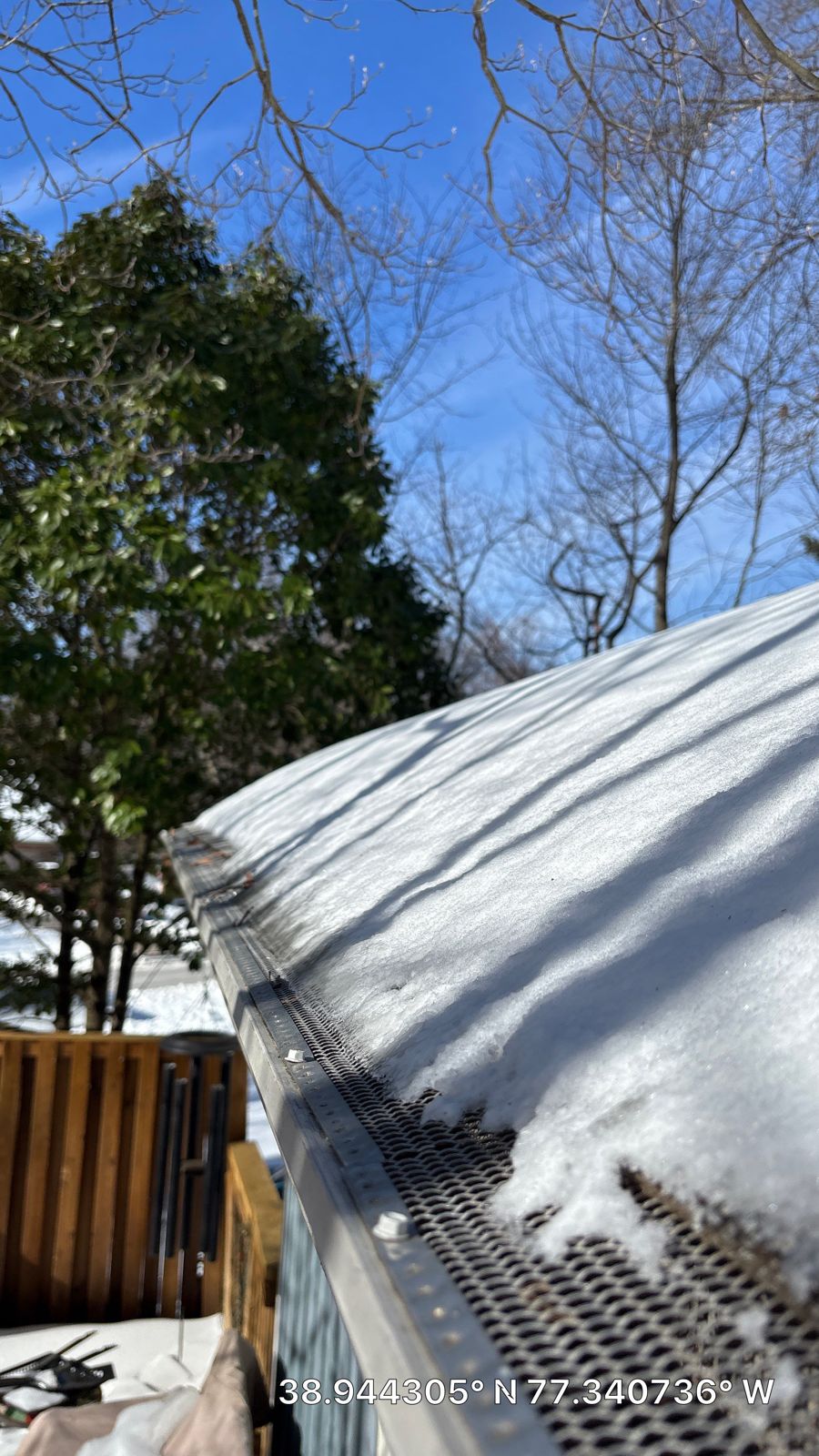
An ice dam is not really a roof problem, it is an attic heat problem showing up at the eave. Fix the air and the insulation and the melting that feeds the ice stops.
Warm air leaking into your attic melts the snow on the upper roof, that water runs down to the cold overhang, and it freezes into a ridge that pushes melt back under your shingles.
Every winter we get calls from homeowners who beat at the ice with a hammer and still had a stain on the ceiling by February. The ice is the symptom. We look at intake and exhaust ventilation, at insulation depth and the gaps around can lights and bath fans, and at whether the roof was built with ice and water shield in the first place.
Intake at the soffit has to match exhaust at the ridge. We run shingle over ridge vent, never foam roll or aluminum, so the attic stays close to outside temperature and the snow on your roof stays snow.
Insulation slows heat, it does not stop air. We seal top plates, the attic hatch, bath fan boots and wire penetrations, because that leaking warm air is what melts your roof from underneath.
Some roof designs trap snow no matter how good the attic is. On those eaves and valleys we install heat cable as a specific tool, not as a substitute for fixing the cause.
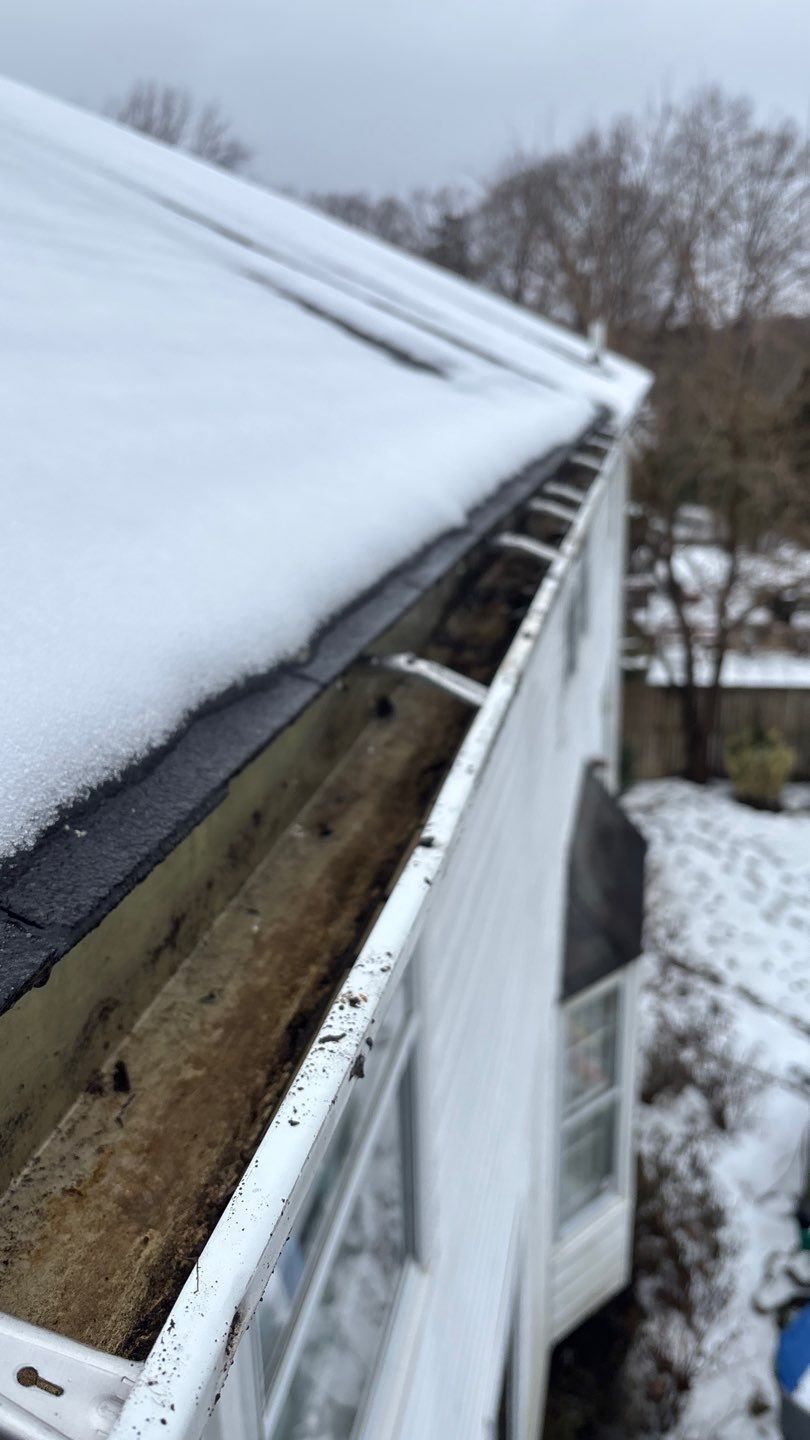
Prevention work happens in the attic and at the roof edge, so we look at both before we quote anything. Here is what the inspection covers and what we change.
Four questions. You get a straight read on whether this is a repair, a replacement, a gutter job or an insurance claim, and where to go next.
We cover Northern Virginia and the Fredericksburg area out of two offices. Search for your town, or pick it off the list to see the map and the local page.
No match in our service area. Call (703) 347-6482 anyway, we travel for larger jobs.
We get on the roof and photograph what we find before we quote. You see the same evidence we do.
One crew for the roof, the siding and the gutters, so nobody is blaming the other trade.
Virginia license 2705155080, CertainTeed ShingleMaster certified, fully insured on every job.
Photos and video through the whole install on CompanyCam, stored indefinitely, with a link that is yours to keep.
Heat. Warm air from the living space gets into the attic, warms the roof deck, and melts the snow sitting on it. That water runs down to the overhang, which is cold because there is no heated space under it, and refreezes. Do that for a few days and you have a band of ice holding water back.
Usually not. Insulation without air sealing acts like a filter, warm air moves right through it and keeps hitting the deck. We seal the leaks first, then bring the insulation up, then confirm the attic can breathe. Skipping any one of the three tends to leave you with the same ice next winter.
It is a tool for spots that stay a problem after the attic is right, like a north facing valley or a low overhang above a walkway. Run alone on a hot attic it just melts a channel and raises your power bill. We install it where the roof design earns it, and we say so when it does not.
New shingles do nothing for attic heat. We also see new roofs installed over blocked soffit baffles, or with a ridge vent cut too short for the square footage of attic under it. Those two things alone will keep a brand new roof making ice every January.
Fall, before the first real snow, because attic work goes faster when the attic is not 20 degrees and nobody is working around ice. That said, we take calls all winter, and if water is already coming inside that call goes to the front of the line. The inspection is free either way.
Every town we cover has its own page with local detail. Pick yours.
Local pages for the towns we cover.
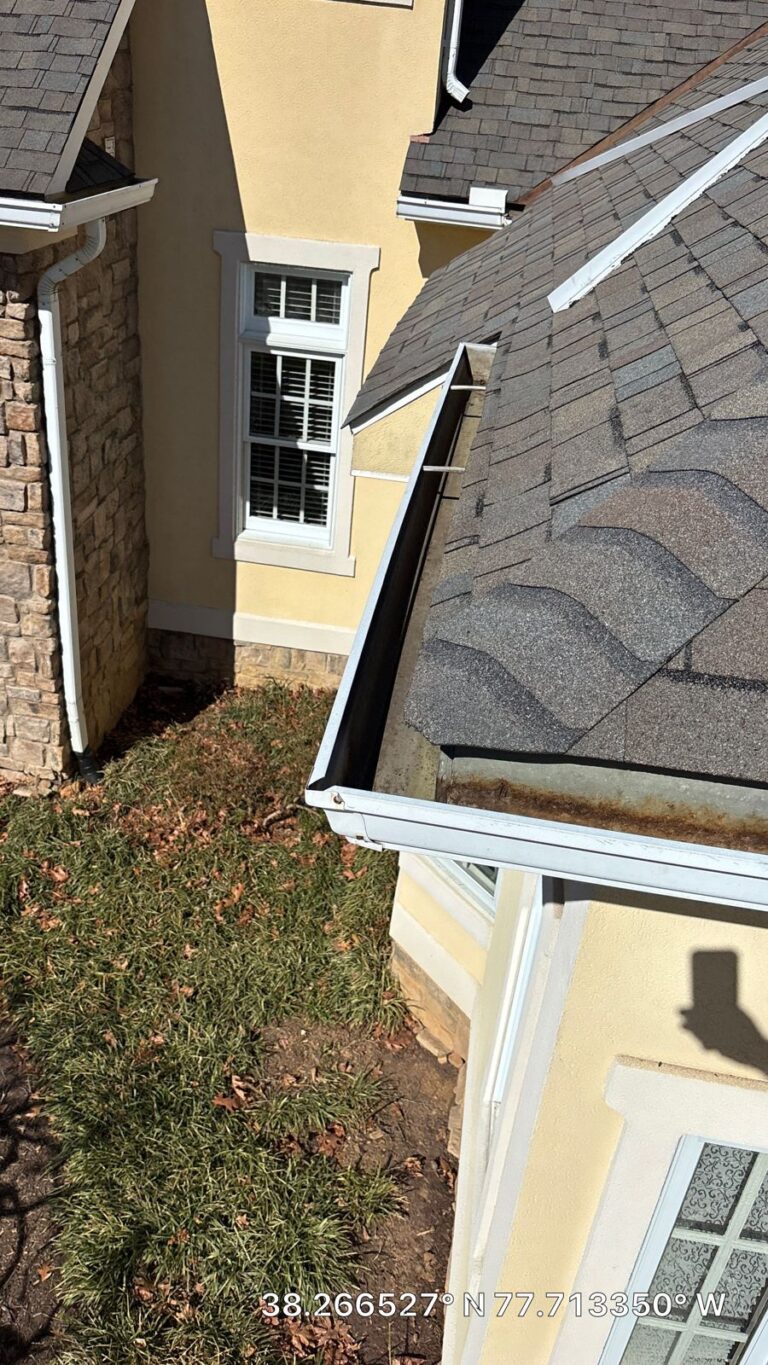
Meltwater needs an open gutter to drain into. Clear the troughs by hand before winter and flush the downspouts, and the roof edge has somewhere to send the water. Gutter guards, screens and caps can make ice dams bigger, which is why we don’t install them. See why.
Book a free inspection and we will tell you whether your ice is a ventilation problem, an insulation problem, or both. Written estimate, no obligation, photos of everything we find.
Tell us what you are seeing and we will get back to you to set a time.