Hail at one inch
Roughly a quarter. At that size hail starts bruising shingle mats and knocking granules loose, which is the damage an adjuster looks for. Below that it is usually cosmetic.
Live radar, active National Weather Service warnings and every hail and wind report filed near your address in the last 12 months. Put in your address and see what actually came through.
Radar shows the last two hours and updates every 10 minutes. Dots are official storm reports from the last 30 days. Tap one for the details.
Every hail, wind and tornado report the National Weather Service logged within 10 miles of the 22 towns we cover. These are real reports from spotters, emergency managers and weather stations, not estimates.
Last 12 months, our service area. Hover or tap a month for the breakdown.
The days with the most reports in the last 12 months. Pick one to see it on the map.
Storm Prediction Center, today and yesterday, Northern Virginia and Fredericksburg area.
Sources: radar by RainViewer. Warnings from the National Weather Service. Severe outlook and latest reports from the NOAA Storm Prediction Center. Storm report history and warning history from National Weather Service local storm reports and warning polygons, served by the Iowa Environmental Mesonet. Conditions and forecast by Open-Meteo. Address lookup by Esri.
You can do most of this from the ground in ten minutes. Tick what you find and you get a straight read on how serious the pattern looks.
Two numbers decide whether storm damage is an insurance claim or a repair you pay for yourself, and a third thing decides whether you can prove it.
Roughly a quarter. At that size hail starts bruising shingle mats and knocking granules loose, which is the damage an adjuster looks for. Below that it is usually cosmetic.
The severe thunderstorm threshold. Around there shingles start lifting and breaking the seal strip, and lifted shingles leak long before they blow off the roof.
Insurers ask for a date of loss. Check your address above and the tracker lists every warning that covered your home in the last 12 months with its date, which beats trying to remember the day.
A storm on the map is a reason to look, not proof of damage. Here is the honest order of operations, including the parts that protect you from the crews that follow storms into the area.
Everything on this page comes from official sources. Active alerts come straight from the National Weather Service, the severe outlook and the latest reports from the NOAA Storm Prediction Center, and the 12 month history from National Weather Service storm reports and warnings, archived by the Iowa Environmental Mesonet. We are not interpreting it or adding anything.
It finds your address on the map and pulls three official records for that exact spot. Any National Weather Service alert active there right now, every severe thunderstorm and tornado warning that covered it in the last 12 months, and every hail, wind and tornado report filed within 5 miles. We do not save the address you type in.
No, and this is the part people get wrong. Alerts are issued before and during the weather. Damage turns up afterward, and plenty of it is invisible from the ground. A quiet map is not an inspection.
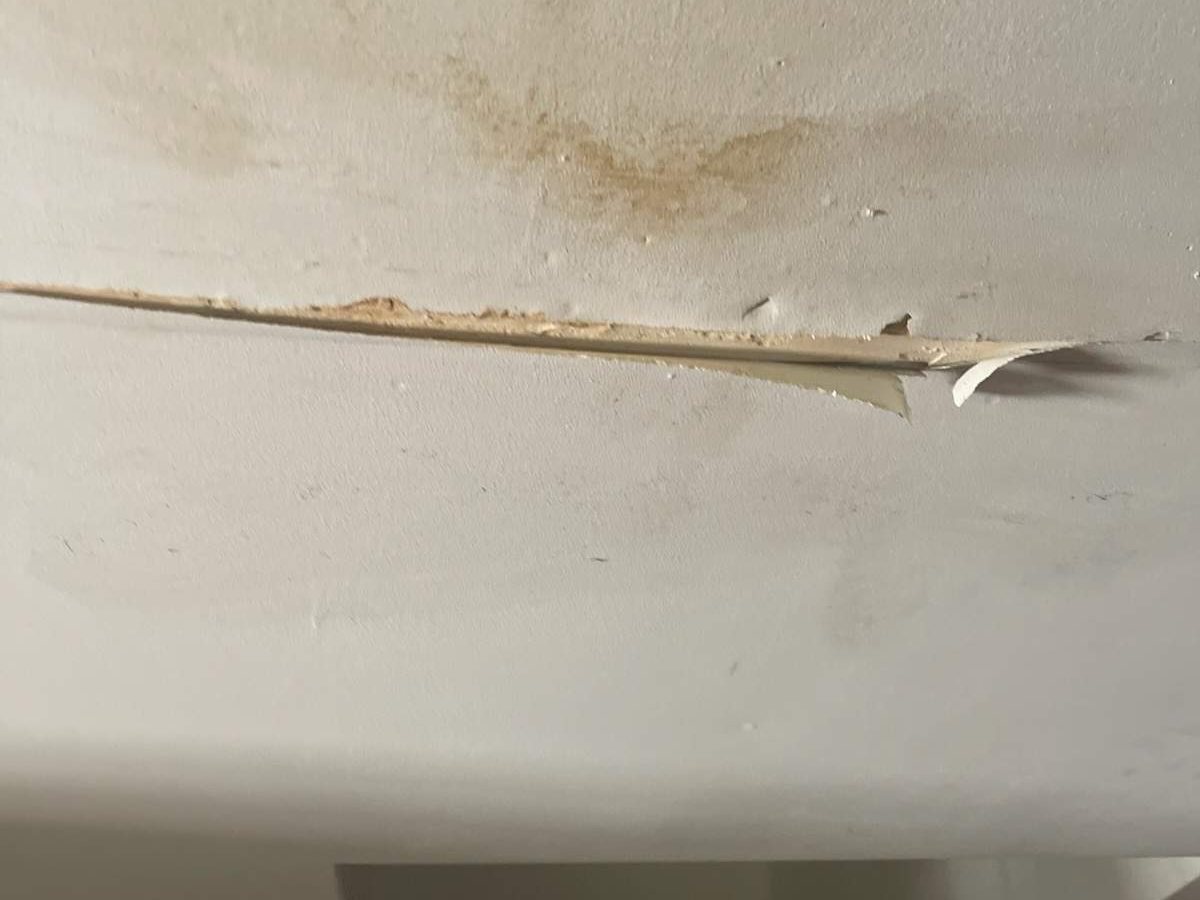
Walk the property and look for black granules by the downspouts, pieces of shingle in the grass, dents in the gutters and any soft metal, and dark spots on ceilings inside. Photograph everything the same day, before anything gets cleaned up or blows away.
Roughly a year, so there is time, but the evidence disappears long before the deadline does. Waiting is how people end up with a real claim they cannot prove.
Be careful. After a real storm this area fills with crews who are not from here, will not be here next year, and are often selling your job to somebody else anyway. Ask for the Virginia license number and proof of insurance before anybody goes up a ladder on your property.
No. The inspection is free, you get the photos either way, and if your roof came through fine we will tell you it came through fine.
We will get on the roof, photograph what the storm actually did, and tell you straight whether you have a claim. No charge and no pressure either way.